Руководство по техническому обслуживанию, безопасности и устранению неисправностей
Целевые ключевые слова: Калибровка печи при высокой температуре, ремонт стекловаренной печи, безопасность печи отжига, устранение неисправностей элементов из карбида кремния
Геоинтент: Инженеры по техническому обслуживанию, специалисты по безопасности, штатные технические специалисты.
Заголовок: Обслуживание вашей промышленной стекловаренной печи отжига с подъемным дном на 1000°C: лучшие практики для долговечности и безопасности
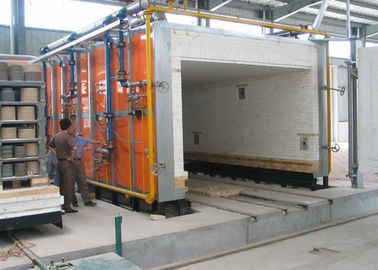
A Промышленная стекловаренная печь отжига с подъемным дном на 1000°C является прецизионным термическим инструментом. Без систематического обслуживания производительность снижается — возвращаются градиенты напряжений, и циклы нагрева удлиняются. Следуйте этому экспертному руководству, чтобы ваша печь с подвижным подом работала в оптимальном состоянии.
Ежемесячный контрольный список профилактического обслуживания
Целостность термопары (тип S или тип R)
-
Действие: Измерьте выход милливольт относительно откалиброванного эталона при 1000°C. Отклонение более чем на ±3°C указывает на загрязнение благородными металлами.
-
Исправление: Замените гильзы термопар, если керамический изолятор имеет обесцвечивание. Всегда используйте подобранные пары.
Механическая система подъемного дна
-
Осмотр: Уровень гидравлической жидкости (если подъем гидравлический) или износ резьбы ходового винта (если электрический винтовой домкрат). При подъеме прислушивайтесь к скрежету.
-
Смазка: Высокотемпературная дисульфидная молибденовая смазка на всех направляющих стержнях вне горячей зоны. НЕ используйте стандартную литиевую смазку — она испарится и загрязнит стекло.
Нагревательные элементы (глобары из карбида кремния)
-
Проверка: Сопротивление между клеммами элементов. Увеличение на 20% от номинального значения сигнализирует о старении. Один вышедший из строя элемент перегружает остальные.
-
Замена комплектами: Всегда заменяйте полный ряд или зону. Смешивание старых элементов с высоким сопротивлением с новыми с низким сопротивлением создает неравномерный нагрев.
Огнеупорные материалы и изоляция
-
Сканирование на наличие трещин: Особенно вокруг уплотнительных кромок пода и камеры. Зазор в 1 мм может привести к потере температуры на 5°C и окислению поверхностей стекла.
-
Ремонт: Используйте керамический волокнистый заплаточный материал с рейтингом 1600°C. Для больших трещин — формовочный высокоглиноземный огнеупорный материал.
Ежеквартальная процедура калибровки
-
SAT (Тест точности системы): Поместите вторичную эталонную термопару (откалиброванную) в геометрический центр. Выполните выдержку при 1000°C в течение 2 часов. Сравните показания управляющего и эталонного приборов. Максимально допустимая разница: ±5°C.
-
TUS (Обследование однородности температуры): Для критического отжига используйте жгут из 16 термопар. Нагрейте до 1000°C. Допустимый диапазон: ±8°C для общего стекла, ±4°C для оптики.
-
Проверка скорости подъема: Подъем дна от полностью опущенного до герметичного положения должен занимать менее 60 секунд для малых установок и 180 секунд для больших. Более медленные скорости указывают на износ насоса или падение напряжения.
Критические протоколы безопасности
-
Блокировка/маркировка (LOTO): Механизм подъемного дна может вызвать травмы от сдавливания. Всегда устанавливайте физические стопоры подъема перед любым техническим обслуживанием.
-
Опасность поверхности 1000°C: Даже с охлаждающими вентиляторами внешняя обшивка может достигать 70°C (160°F). Устанавливайте предупреждающие знаки и защитные барьеры во время работы.
-
Риск взрыва при выгорании элемента: Элементы из карбида кремния могут взрывообразно треснуть при нагреве, если их охладить водой. Никогда не используйте водяные огнетушители рядом с работающей печью. Используйте огнетушители класса D (сухой порошок).
Устранение распространенных неисправностей
Когда следует вызывать специалиста
Если вы наблюдаете искрение от элементов, отказ дна опуститься (опасно: невозможно охладить груз) или треснувшую керамическую плиту пода, которая может уронить продукт на подъемный механизм, не эксплуатируйте. Немедленно замените плиту пода. При надлежащем уходе ваша печь отжига с подъемным дном обеспечит десятилетие надежной работы при 1000°C.


 Ваше сообщение должно содержать от 20 до 3000 символов!